
-
Phone: 0086-15858860365
-
Email: sales1@nswvalve.com


-
Phone: 0086-15858860365
-
Email: sales1@nswvalve.com
News
-
High-Pressure Gate Valve Manufacturer & Supplier: Factory-Backed Procurement Guide for Class 150 to Class 2500
If you are sourcing a high-pressure gate valve for oil refining, petrochemical, offshore, power generation, or long-distance pipeline service, this guide explains how to compare suppliers, what to verify inside the factory, and how to specify the right valve from utility-class Class 150 Gate Val...Read more -
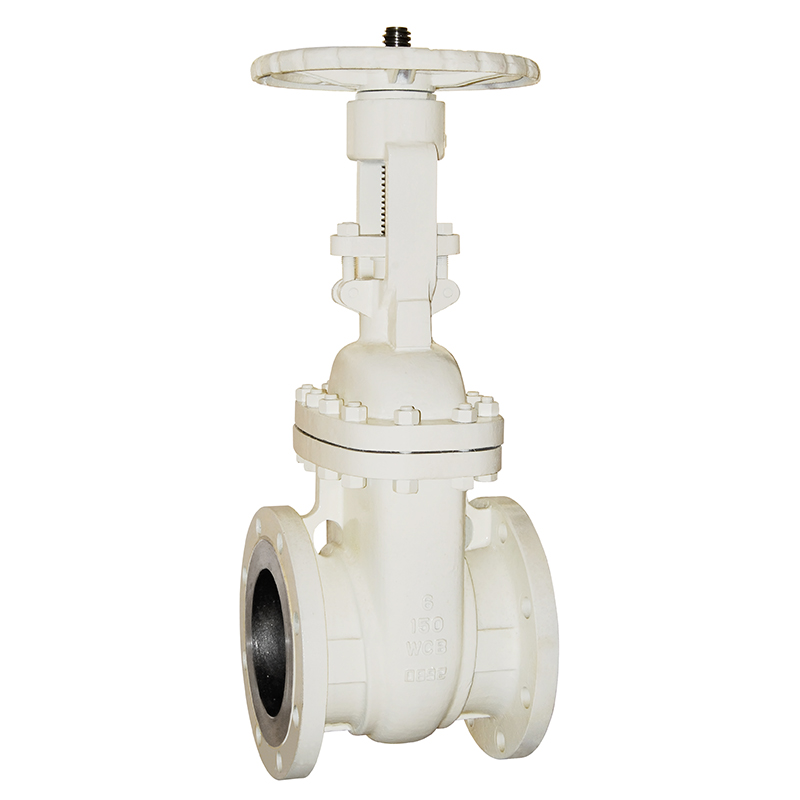
Class 150 Gate Valve Dimensions (ASME B16.34)
Face-to-Face, Flange & Pressure Ratings for RF and BW Class 150 Gate Valves — a specification reference for engineers and procurement. ⓘ Quick answer: A Class 150 gate valve carries a maximum working pressure of about 19–20 bar at 20°C per ASME B16.34, uses a bolted bonnet, and is specifi...Read more -
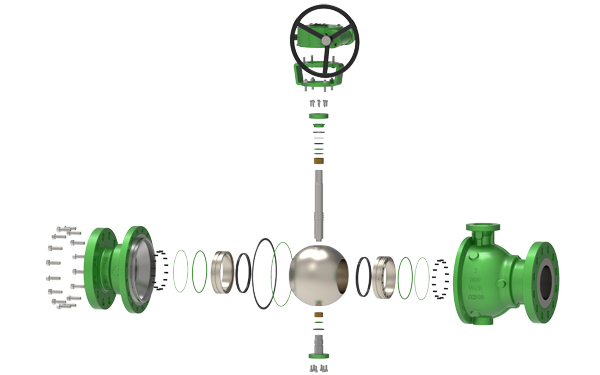
Trunnion Mounted Ball Valve: Design, Working Principle, and Selection Guide
A trunnion mounted ball valve is a quarter-turn isolation valve designed to provide reliable shutoff in a wide range of industrial pipeline applications. Its ball is supported by fixed upper and lower trunnions, while the seat rings move against the ball to establish the seal. This arrangement he...Read more -
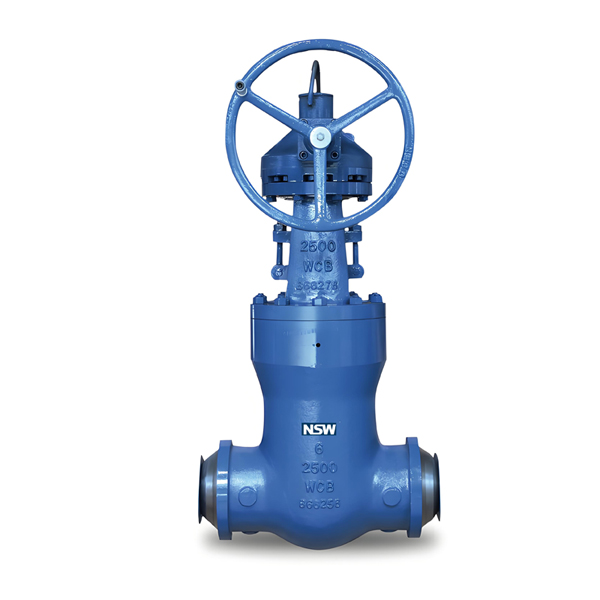
API 600 Class 2500 Gate Valve Material Selection
A Practical Guide for Engineers and Buyers By David Chen, Senior Application Engineer at NSW Valve Technical review by NSW Valve Engineering Department Last updated: September 2026 Class 2500 is the highest standard pressure class in API 600. Material selection decides whether the valve survives...Read more -
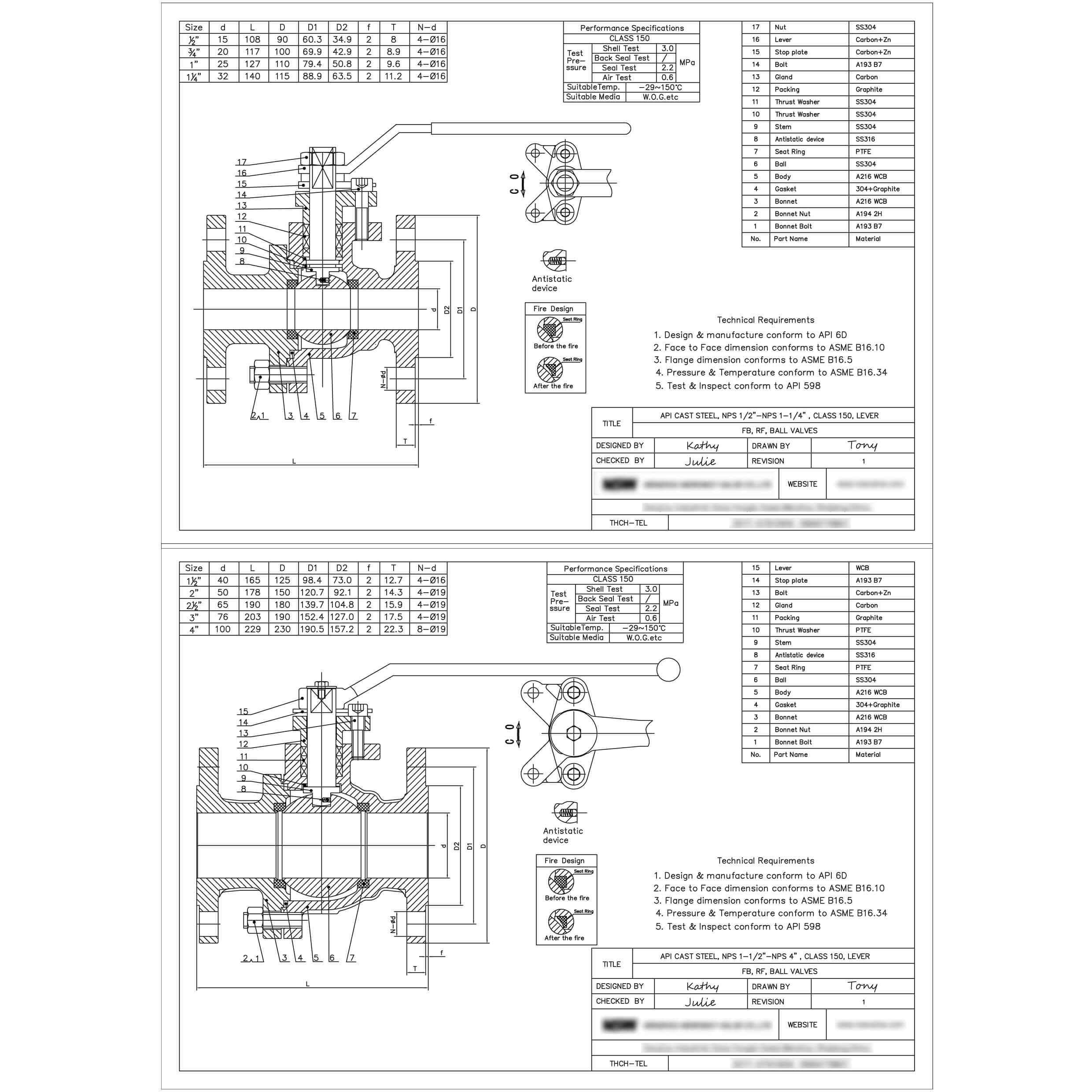
Complete Guide to Ball Valves Dimensions: Sizing, Port Types, and Pipeline Integration
Product Tagline: *Accurate Dimensioning, Port Selection, and Flange Standards for Seamless Industrial Piping Installation.* — 1. Introduction: Why Ball Valve Dimensions Matter Accurate valve dimensions are not a detail to be deferred to the procurement stage—they are a design constraint tha...Read more -
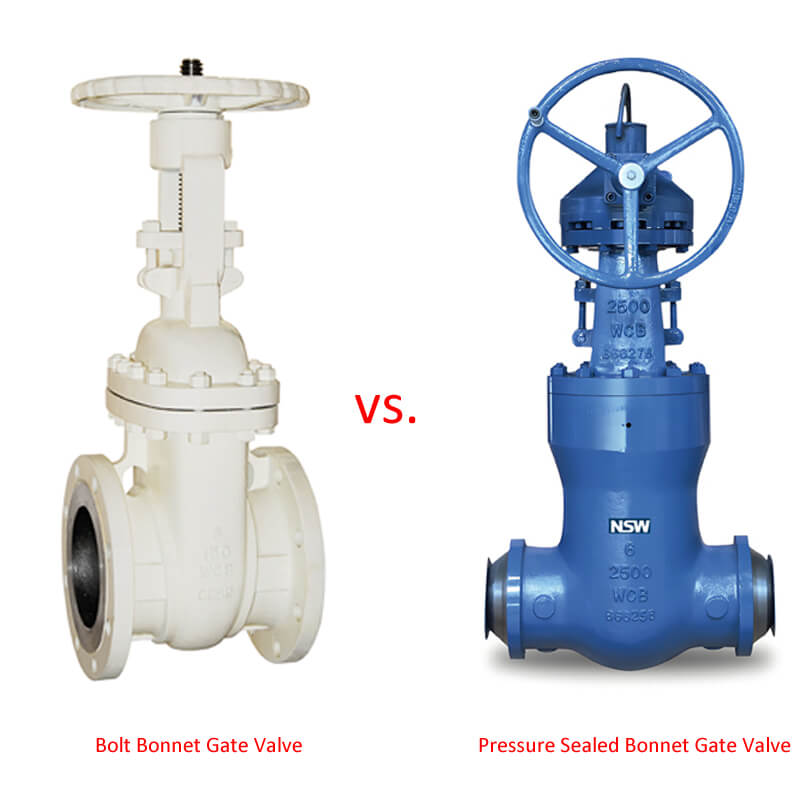
Pressure Sealed Bonnet vs Bolted Bonnet Gate Valve: Which One Should You Specify
If you are comparing a Pressure Sealed Bonnet Gate Valve with a Bolted Bonnet Gate Valve for a high-pressure steam, hydrocracker, boiler feed, gas injection, or offshore project, the decision usually comes down to pressure class, thermal cycling, weight limits, maintenance strategy, and low-press...Read more -
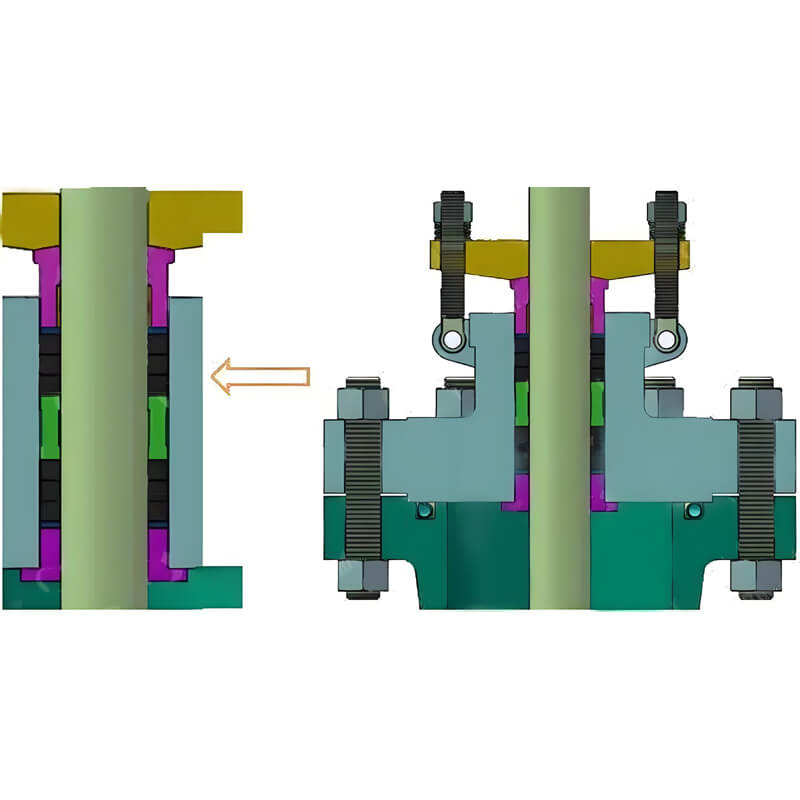
Guide to ISO 15848 Fugitive Emission Testing & Packing Technology for Industrial Valves from Manufacturer and Factory
In modern petroleum refining, petrochemical processing, and chemical transport, controlling fugitive emissions is both an environmental mandate and an operational necessity. Volatile organic compounds (VOCs), hazardous air pollutants (HAPs), and toxic chemical leaks from pipeline valve stem packi...Read more -
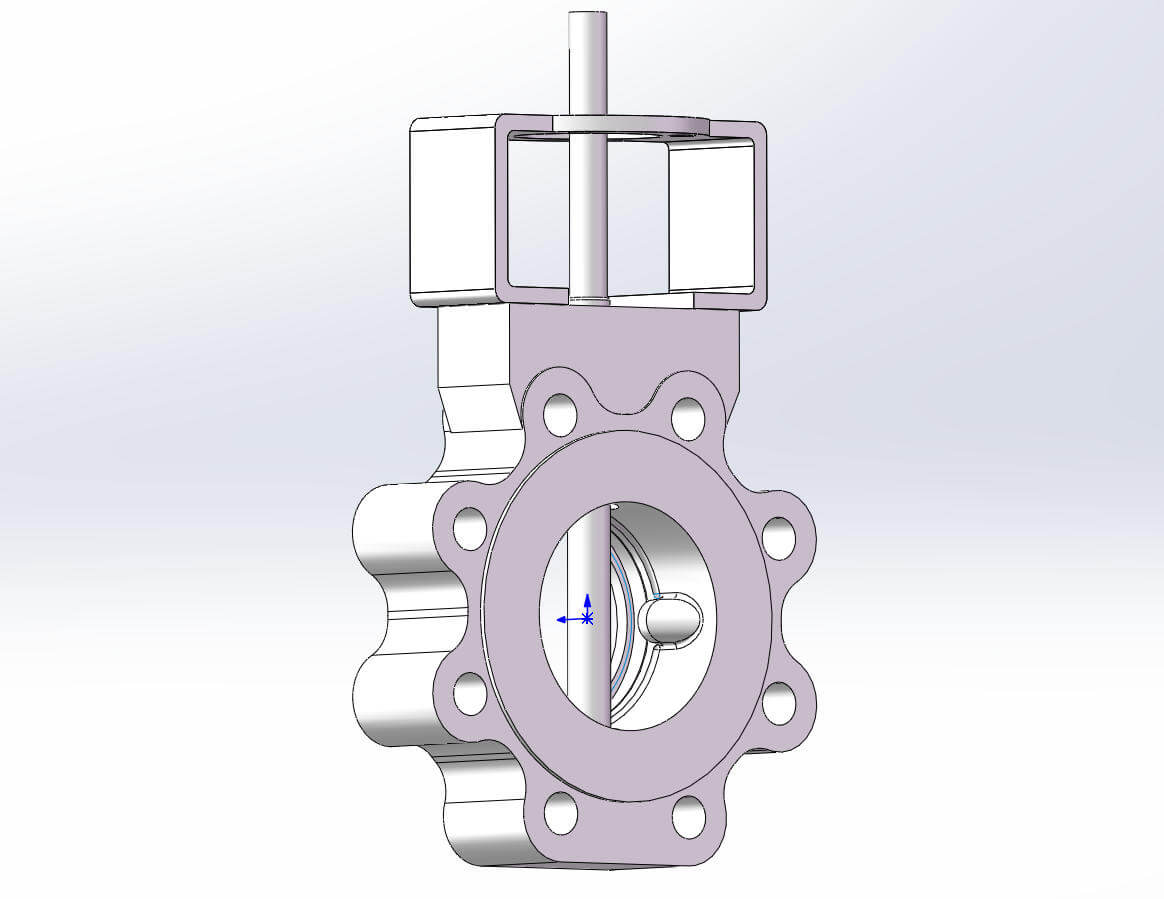
Industrial Butterfly Valve Selection Guide: Double vs. Triple Offset for Severe Service
Most Butterfly Valve specification errors do not surface during commissioning. They surface 6 to 18 months later, when a PTFE-seated double offset valve in a 420°C steam header begins leaking through the seat, or when a concentric valve in a seawater cooling loop corrodes at the disc-stem interf...Read more -
Carbon Steel Valve Selection Guide: Gate, Globe, Ball and Butterfly type for Engineers & Procurement (WCB, A105, NACE)
What Is a Carbon Steel Valve? Material Basics and ASTM Grades A Carbon Steel Valve is a pressure-containing component made from an iron-carbon alloy with up to 2.1% carbon by weight, plus controlled amounts of manganese, silicon, and copper. Unlike stainless steel, carbon steel contains less tha...Read more -
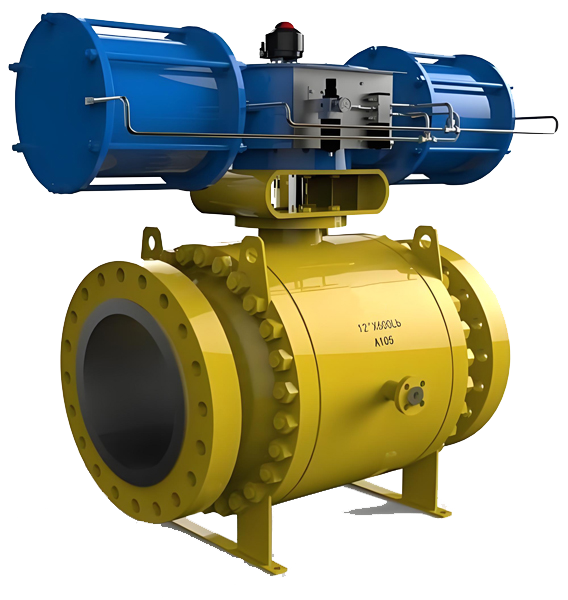
Complete Guide to Ball Valve Actuation: Handles, Gearboxes & Actuators
Introduction: Why Actuation Selection Matters In the demanding environments of oil and gas refineries, petrochemical plants, power generation facilities, and municipal water infrastructure, the reliable operation of ball valves is non-negotiable. These critical components control the flow of eve...Read more -
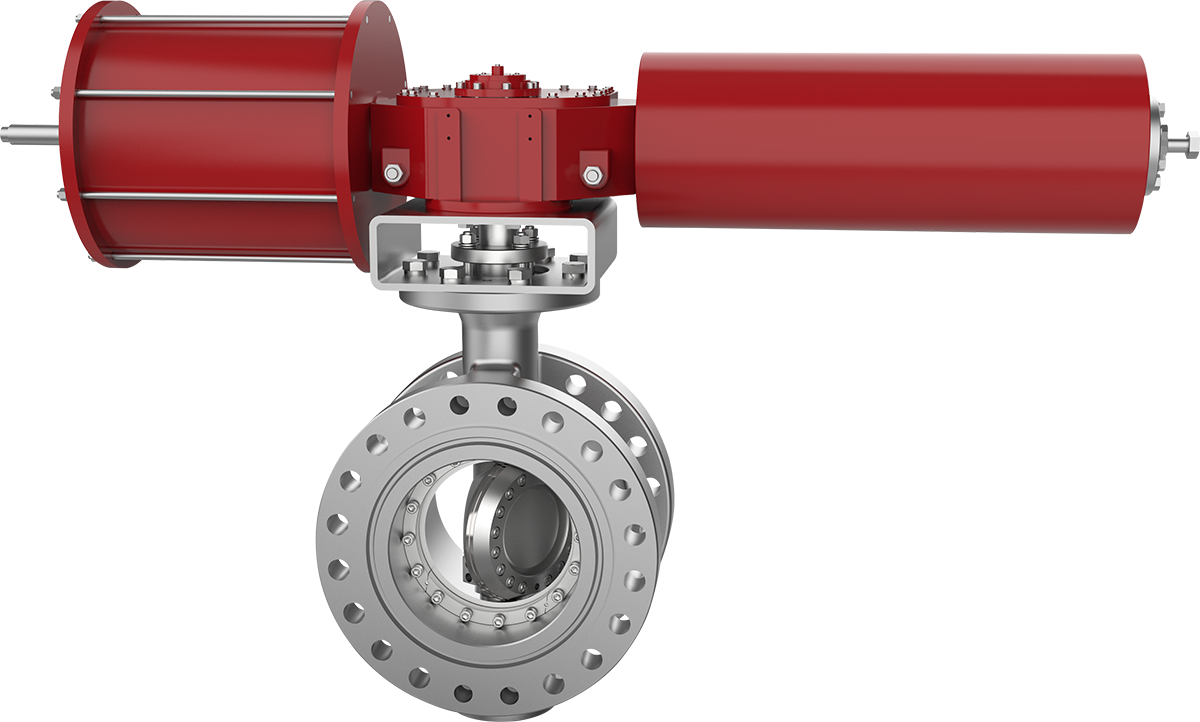
Pneumatic Actuator Butterfly Valve: The Ultimate 2026 Selection & Sourcing Guide
By [NSW Valve Company/Engineer Team] Imagine this: Your chemical processing line is running at 120°C, and a power outage hits. Within 1.5 seconds, a Pneumatic Actuator Butterfly Valve slams shut, preventing a catastrophic chemical spill—all without a single watt of backup battery power. That’...Read more -
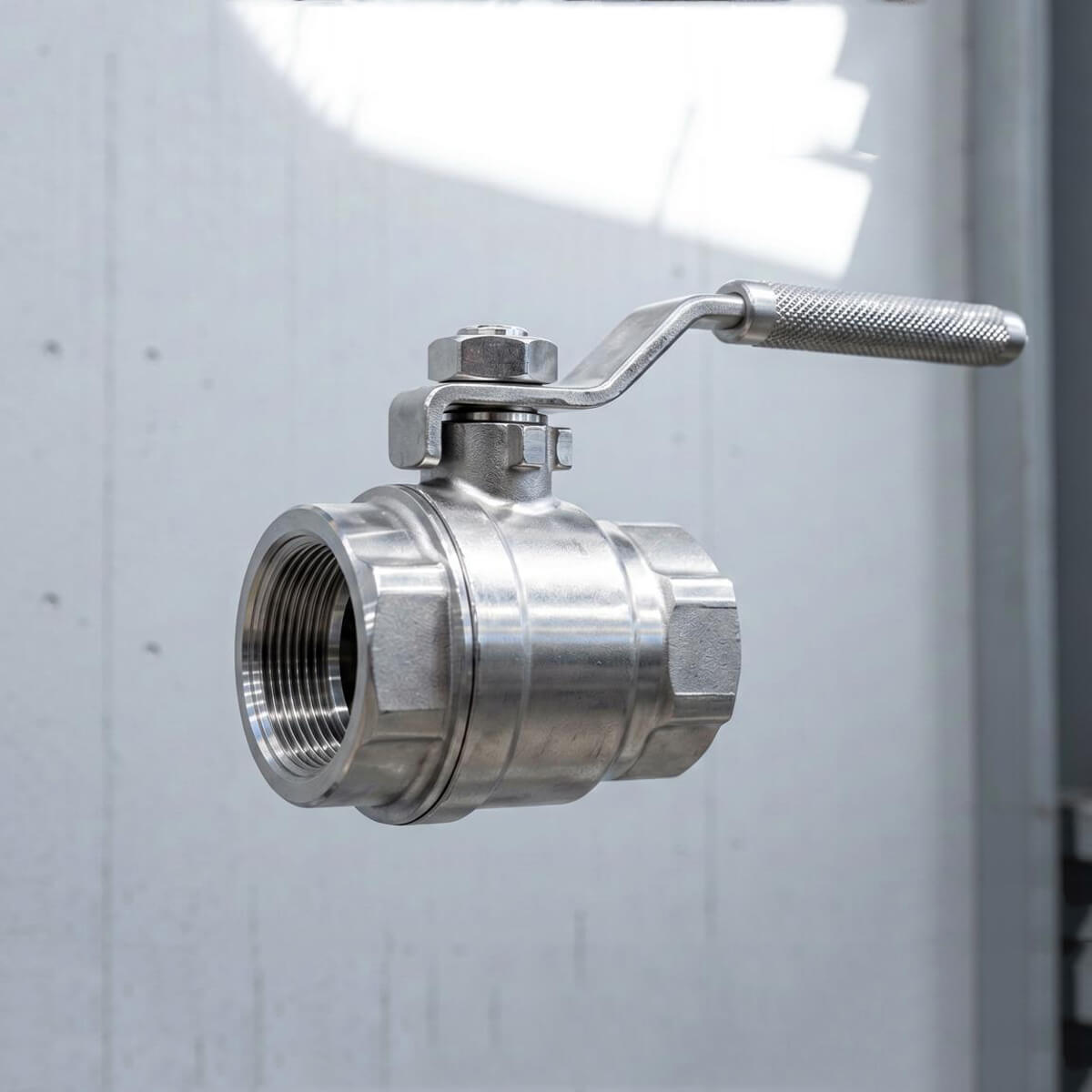
Ball Valves for Water Systems: Selection Guide & Top Manufacturer
In modern municipal water supply networks, industrial water treatment plants, HVAC chillers, and residential plumbing, reliable fluid isolation is paramount. Uncontrolled leakage or premature valve failure leads to system downtime, costly water loss, and severe infrastructure damage. Among all q...Read more -
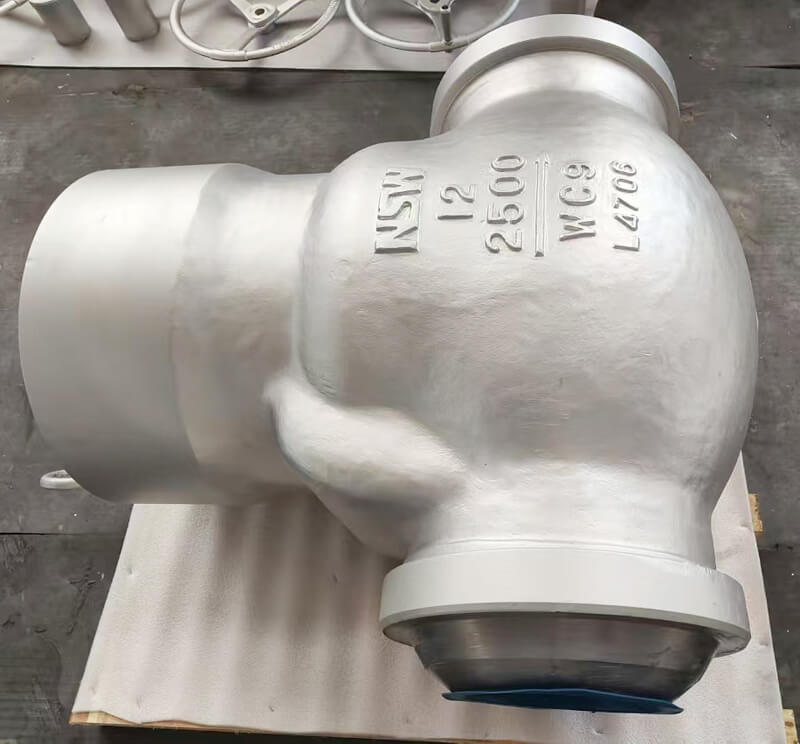
Check Valve Engineering Guide: Types, Selection & Standards 2026
Table of Contents 1. What Is a Check Valve? 2. How Does a Check Valve Work 3. What Is a Check Valve Used For 4. Check Valve Types Compared 5. What Is a Check Valve in Plumbing 6. Check Valve Selection Checklist 7. Common Check Valve Failure Modes 8. Industry Standards & References 9. Frequ...Read more -
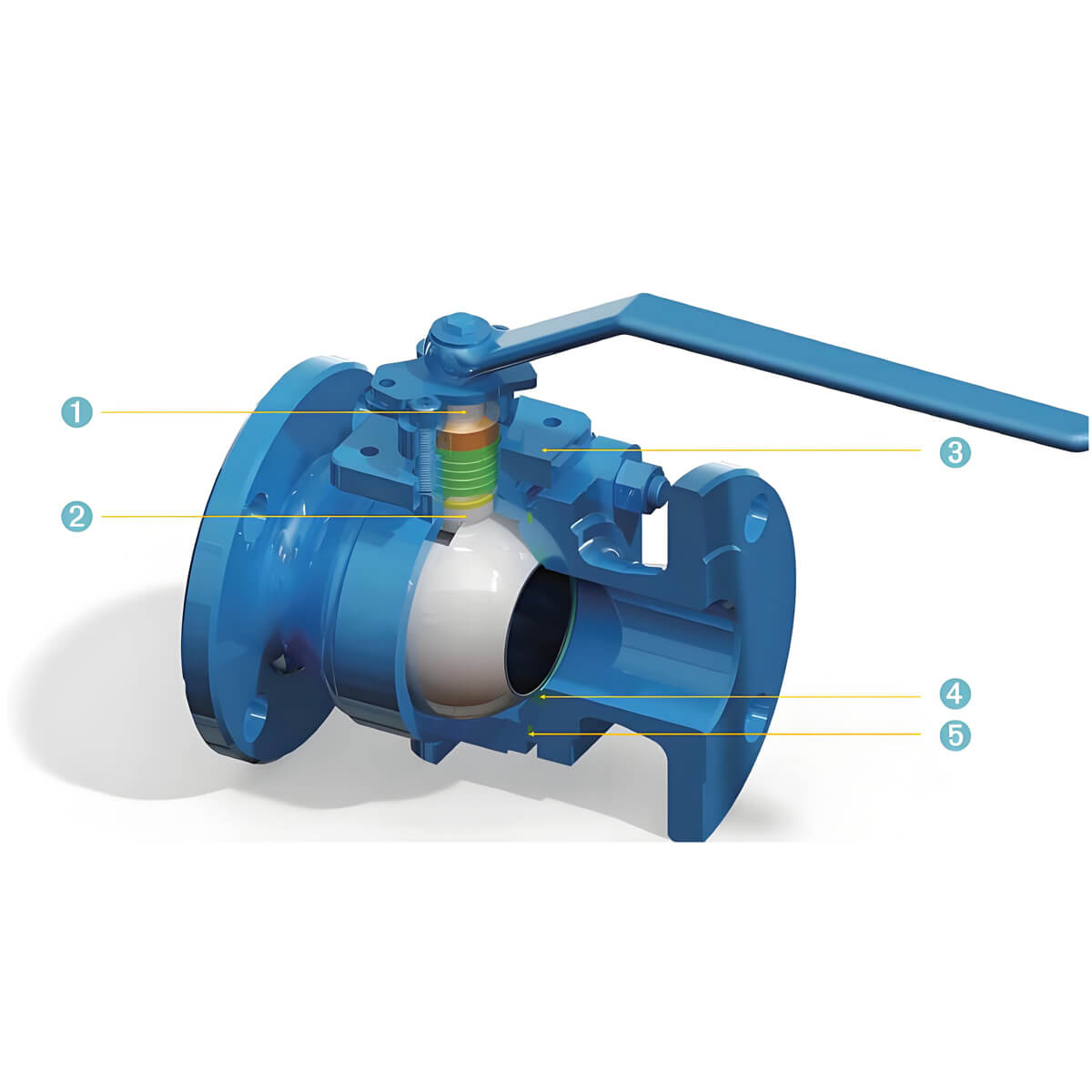
NACE MR0175 / ISO 15156 Sour Gas Ball Valves — Engineering Selection & Sourcing Guide
In upstream oilfield production, sour gas processing, and high‑pressure transmission pipelines, exposure to wet hydrogen sulfide (H₂S) is among the most severe service conditions in the energy industry. The combination of H₂S, chlorides, and elevated temperatures can trigger Sulfide Stress Crack...Read more -
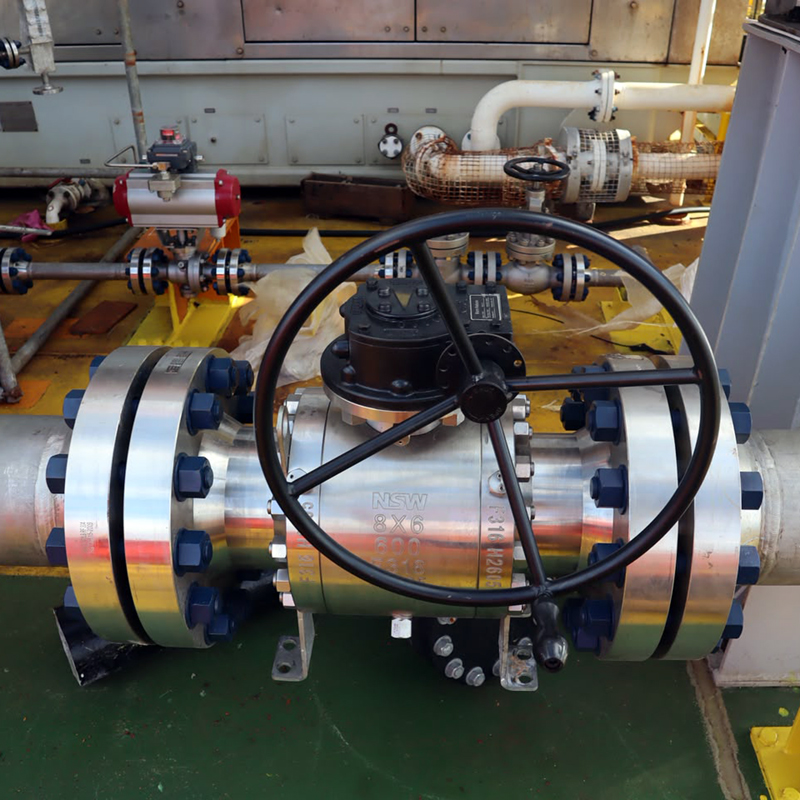
Industrial Ball Valve Selection Guide: Types, Specifications & Top Manufacturers
In modern process piping networks—from oil refineries and chemical processing facilities to power plants and LNG terminals—maintaining reliable, leak-free fluid isolation is paramount. Among all quarter-turn valve designs, the industrial ball valve stands out as the ultimate industry standard fo...Read more -
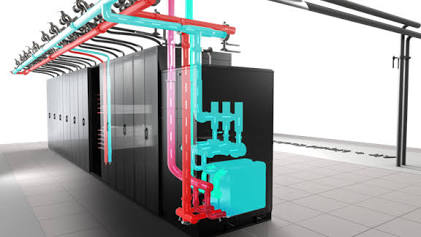
AI Cooling System Valves: Ball, Globe & Control Valves Guide | NSW
As artificial intelligence workloads and High-Performance Computing (HPC) clusters push rack power densities past 40 kW to over 100 kW per rack, traditional air cooling has reached its physical limits. Direct-to-Chip (D2C) liquid cooling and immersion systems have become mandatory infrastructure...Read more -
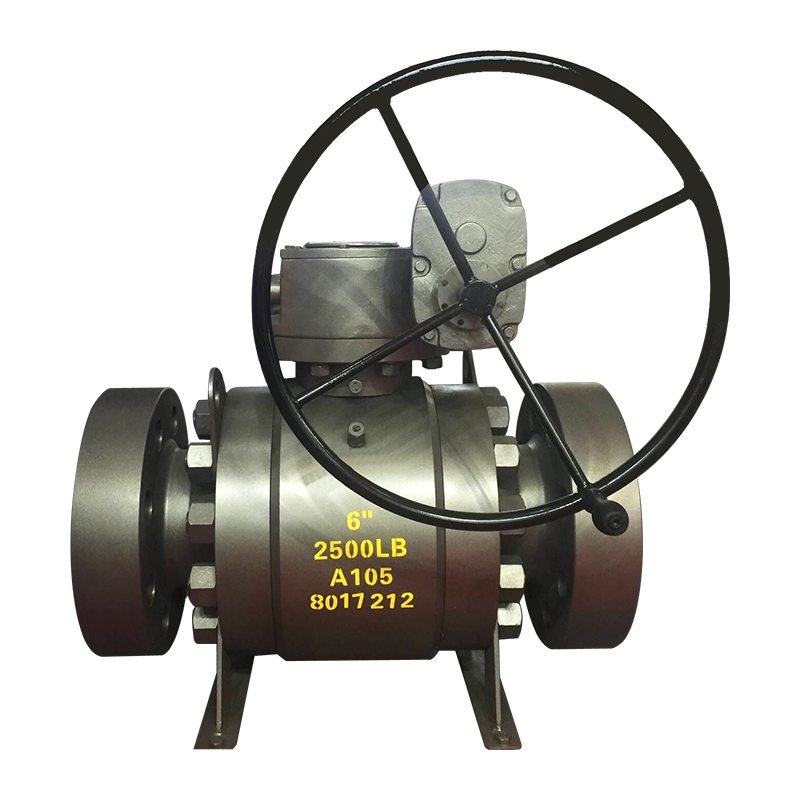
High Pressure Valves for Severe Service: A Technical Guide to Class 2500 Ball, Globe & Gate Valves
1. Introduction: The Critical Role of High Pressure Valves in Plant Safety In supercritical power plants, offshore hydrocarbon injection skids, and high-pressure gas transmission systems, the integrity of your piping system hinges on one component: the high pressure valve. When operating at dif...Read more -
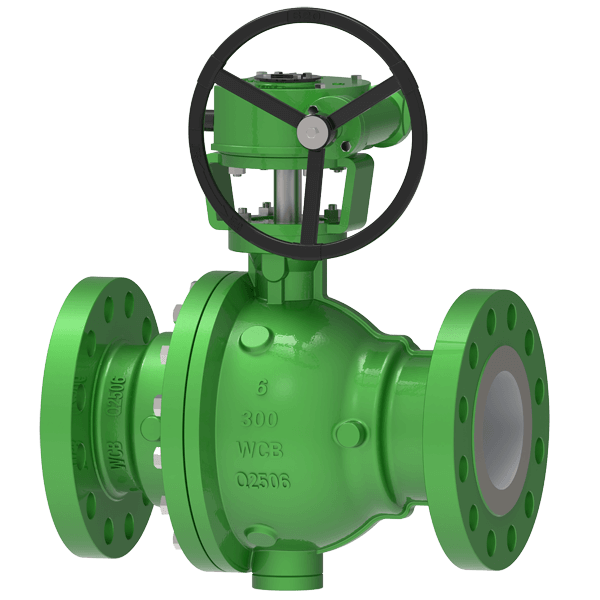
API 6D vs. ASME B16.34 Ball Valves: 2026 Engineering & Procurement Selection Guide
API 6D vs. ASME B16.34 Ball Valves: The Ultimate Engineering & Procurement Selection Guide (2026 Update) For pipeline design engineers, EPC contractors, and global procurement managers, specifying ball valves often involves navigating a complex web of industry standards. Two of the most wid...Read more